
Transponder Key Programming: A Beginner's Guide for Auto Locksmiths
What transponder keys are, how they work, and how to programme them — the fundamentals every new locksmith needs
What Is a Transponder Key?
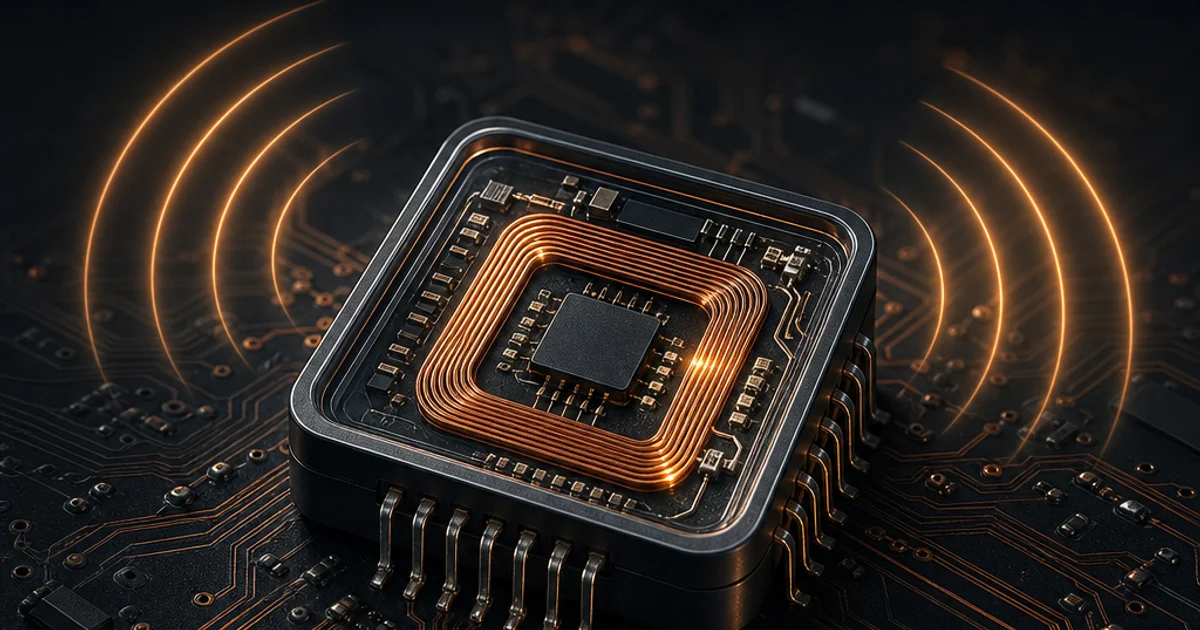
A transponder key contains a small electronic chip embedded in the plastic head of the key. When you insert the key into the ignition, the car's immobiliser sends a radio signal to the chip. The chip responds with a unique code. If the code matches what the immobiliser expects, the engine starts. If it does not match — or if there is no chip at all — the engine stays locked.
The word "transponder" comes from "transmitter" and "responder." The chip does not have a battery. It draws its power from the radio signal sent by the immobiliser's antenna ring (mounted around the ignition barrel).
Every major manufacturer has used transponder immobilisation since the mid-1990s, and it is now a legal requirement in the EU. As an auto locksmith, you will work with transponder keys on virtually every job.
How Transponder Immobilisation Works
The system has three parts:
- The transponder chip — embedded in the key head. Stores the cryptographic key or rolling code.
- The antenna ring — mounted around the ignition barrel. Sends the challenge signal and reads the response.
- The immobiliser ECU — usually integrated into the body control module (BCM) or engine control unit (ECU). Stores the list of authorised transponder IDs and decides whether to allow the engine to start.
The handshake
When you turn the key:
- The antenna ring sends a low-frequency radio pulse (typically 125 kHz) that powers the transponder chip
- The immobiliser sends a challenge — a random number
- The transponder performs a cryptographic calculation using the challenge and its stored secret key
- The transponder sends back the response
- The immobiliser performs the same calculation independently
- If the two results match, the immobiliser tells the ECU to allow fuel injection and ignition
This entire process takes less than a second. The driver never notices it.
Types of Transponder Chips
Fixed code (first generation)
The simplest type. The chip stores a fixed ID number that never changes. The immobiliser checks this ID against its stored list.
- Examples: Texas Instruments 4C, Philips Crypto 33
- Vehicles: Pre-2001 Ford (PATS I), early Toyota, early Nissan
- Security: Low — the fixed code can be read and cloned with basic equipment
- Programming: Straightforward. Clone the chip or register the ID via OBD
Rolling code / encrypted
The chip and immobiliser share a secret key. Each authentication uses a challenge-response protocol, so the transmitted data is different every time. Intercepting one exchange does not help an attacker start the car.
- Examples: Texas Instruments 4D (DST40), Philips Crypto 46/47, Hitag2
- Vehicles: Most 2001–2015 vehicles from Ford, VW Group, Toyota, Hyundai/Kia
- Security: Moderate to high — depends on the specific encryption algorithm
- Programming: Requires OBD tools that support the specific crypto protocol
AES-128 encrypted (current generation)
The strongest transponder security currently in production. Uses the AES-128 block cipher with mutual authentication — both the key and the immobiliser prove their identity to each other.
- Examples: Hitag AES, Hitag Pro, NXP AES transponders
- Vehicles: Most 2015+ vehicles from VW Group, Ford (PATS Gen 4), BMW, Mercedes
- Security: Very high — AES-128 has no known practical attacks
- Programming: Requires premium tools with current firmware. No cloning possible
Essential Tools for Transponder Work
You need two categories of equipment:
Key programming tools (OBD-based)
These connect to the vehicle's OBD-II port and communicate with the immobiliser to register new transponder IDs.
- Autel IM608 Pro II — premium, widest vehicle coverage
- Lonsdor K518 Pro — strong coverage, good value
- OBDSTAR X300 DP Plus — best budget option for broad coverage
- Advanced Diagnostics Smart Pro — pay-per-use licensing model
Transponder identification and cloning tools
These read, identify, and clone transponder chips outside of the vehicle.
- Xhorse VVDI Key Tool Plus — reads chip type, clones fixed-code and some rolling-code transponders
- VVDI2 — advanced cloning and generation capabilities
Your First Transponder Job: Step by Step
Here is what a typical "spare key" transponder job looks like:
- Identify the vehicle — note the make, model, year, and VIN
- Look up the specs — check Keysolved for the transponder type, key blank, and compatible tools
- Get the right blank — match the blade profile and transponder chip type. Using the wrong chip is the most common beginner mistake
- Cut the key — use a key cutting machine to match the existing key's profile (or decode from the lock if all keys are lost)
- Connect via OBD — plug your programming tool into the OBD-II port (usually under the steering column)
- Read the immobiliser — check how many keys are currently programmed and what security protocol is in use
- Programme the new key — follow your tool's on-screen procedure. This typically involves presenting the new key to the ignition barrel so the antenna ring can communicate with the chip
- Test — start the engine with the new key. Test remote functions if applicable. Lock and unlock to confirm the immobiliser re-arms correctly
Common Beginner Mistakes
Using the wrong transponder chip A key with the wrong chip type will cut correctly and turn in the ignition, but the engine will not start. Always confirm the chip type before ordering blanks. Keysolved lists the exact transponder for every vehicle.
Forgetting to check firmware Modern vehicles with AES-128 transponders require tools with up-to-date firmware. If your tool was last updated six months ago, it may not support the latest models. Update before you leave for the job.
Not testing the immobiliser re-arm After programming, always lock the vehicle, wait 30 seconds, then try the new key again. Some immobiliser systems only fully register the new key after a lock/unlock cycle. Discovering this at the customer's house the next morning is not ideal.
Skipping the VIN check Some models share a body shape but use different immobiliser systems depending on the production date or market. Always confirm the VIN against the spec sheet, not just the model badge.
Summary
Transponder key programming is the core skill of modern auto locksmithing. Understand the three generations of transponder security (fixed code, rolling code, AES-128), invest in a reliable OBD programming tool, and always verify the transponder type before you start. Look up any vehicle on Keysolved for the exact specs before heading to the job.